

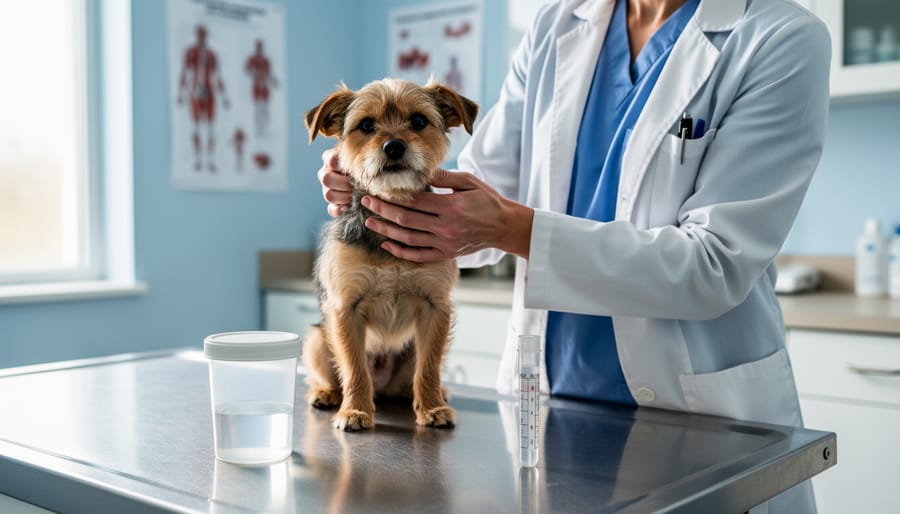
Finding parasites in your pet’s urine can be alarming, but understanding what you’re dealing with is the first step toward effective treatment. Five parasites are most commonly detected in pet urine samples: Capillaria plica (bladder worm), Dioctophyme renale (giant kidney worm), Strongyloides species, microfilariae from heartworm disease, and Schistosoma haematobium. While these infections vary widely in severity and geographic distribution, each produces distinct urinary symptoms that Canadian pet owners should recognize early.
Most of these parasites reach the urinary system after your pet ingests infected …
Category: Health

Pet parasites are organisms that live on or inside your dog or cat, feeding off their body and potentially causing illness, discomfort, or serious health complications. These unwelcome guests range from external parasites like fleas and ticks that attach to your pet’s skin, to internal parasites such as roundworms and heartworms that inhabit the digestive tract, heart, or other organs.
Understanding pet parasites matters because they’re remarkably common. Even indoor pets can be exposed, and many parasites remain hidden until symptoms appear or routine testing reveals their presence. Some parasites also pose zoonotic …

The Manx cat is instantly recognizable by its missing tail, a result of a genetic mutation that affects spinal development. While these cats have captivated pet owners with their distinctive appearance and loyal, dog-like personalities, this same mutation carries serious health implications that every prospective owner needs to understand before bringing one home.
The tailless feature isn’t simply cosmetic. The genetic change that produces the Manx’s signature look also disrupts normal spine and spinal cord development, leading to a condition known as Manx Syndrome. This array of problems can affect the hind legs, …

Accessible veterinary care means removing the barriers that prevent pet owners from getting timely, professional veterinary guidance when their animals need it. For Canadian pet owners in 2026, this encompasses affordable consultation options, round-the-clock availability, and expert advice delivered through channels that fit your schedule, whether that’s virtual care for minor concerns or streamlined pathways to in-person treatment when warranted.
The traditional veterinary care model creates real obstacles. Clinic hours don’t align with when pets get sick. Wait times for appointments can stretch days or weeks. …

Deciding when to send your pet to a veterinarian can be a tough choice to make. We provide signs that can guide owners to decide when to ask for medical veterinary assistance.
Breathing Difficulties
When your pet starts showing signs of breathing difficulty, see if the gums have become pale or turned to blue. If so, consult a veterinarian.
Appetite Loss
After two days’ loss of appetite, it may show an occurring illness that needs to be attended. Not eating can cause organ failure, energy loss, or possible death.
Urinating and Drinking Habit Changes
Disabled urination can be a medical issue …

Like us, our pets possess the immune system. It is responsible to repel illnesses. There are two types of them:
Inborn immune system – Body’s main defense against bacteria
Obtained immune system – When the system has encountered a disease before and obtained memory to fight against the illness again
Pets need to be vaccinated for two reasons:
Because of law in an area
Pet with outgoing lifestyle
Do All Pets Require to be Vaccinated?
Pets need vaccination, but it varies depending on regulations. One known universal vaccine is anti-rabies. The …
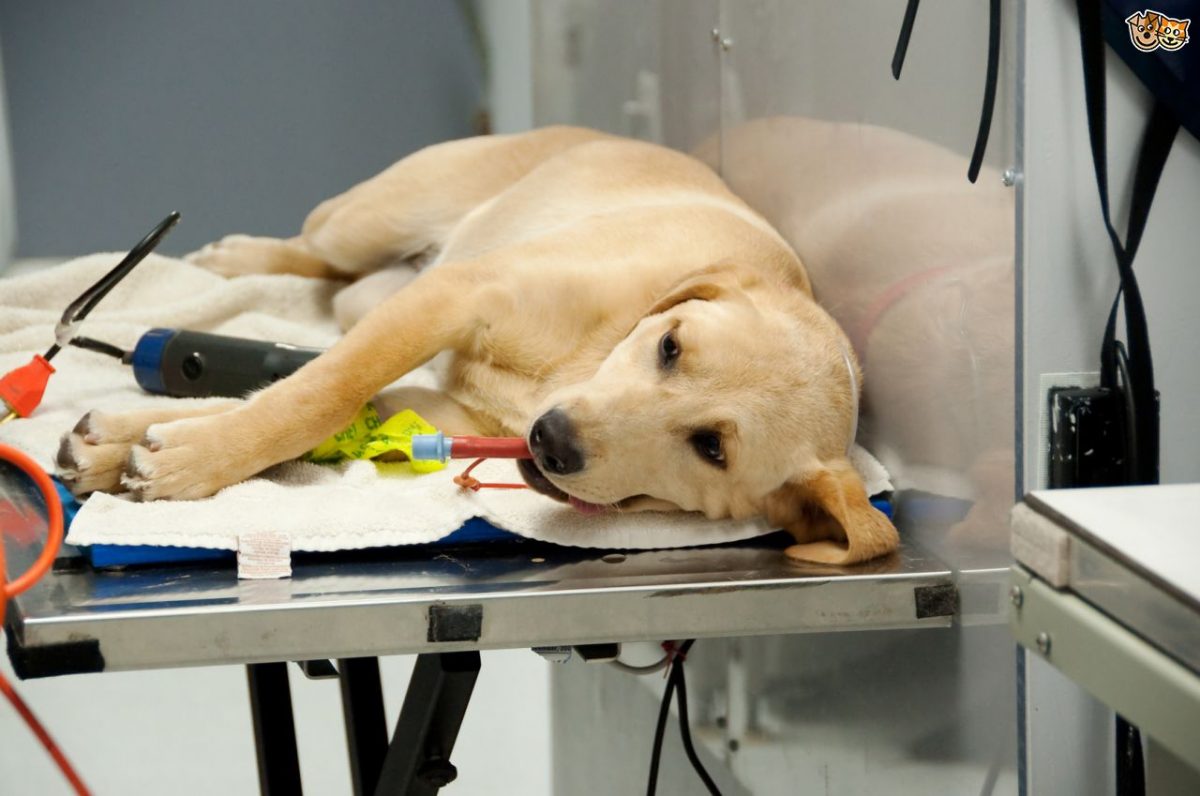
Veterinarians explain anesthetics as becoming unconscious and loss of sensation in the whole or a portion of the body caused by inhaled or injected drugs.
Is it Necessary?
Veterinarians normally administer anesthetics in the following situations:
When the procedure will cause serious pain
When the patient should be still
When the pet’s respiration should be secured
When the operation will take hours or complications might occur
Possible Risks
An anesthetic is not entirely risk-free. Some pets die because of it, which is why it is mostly administered to those …
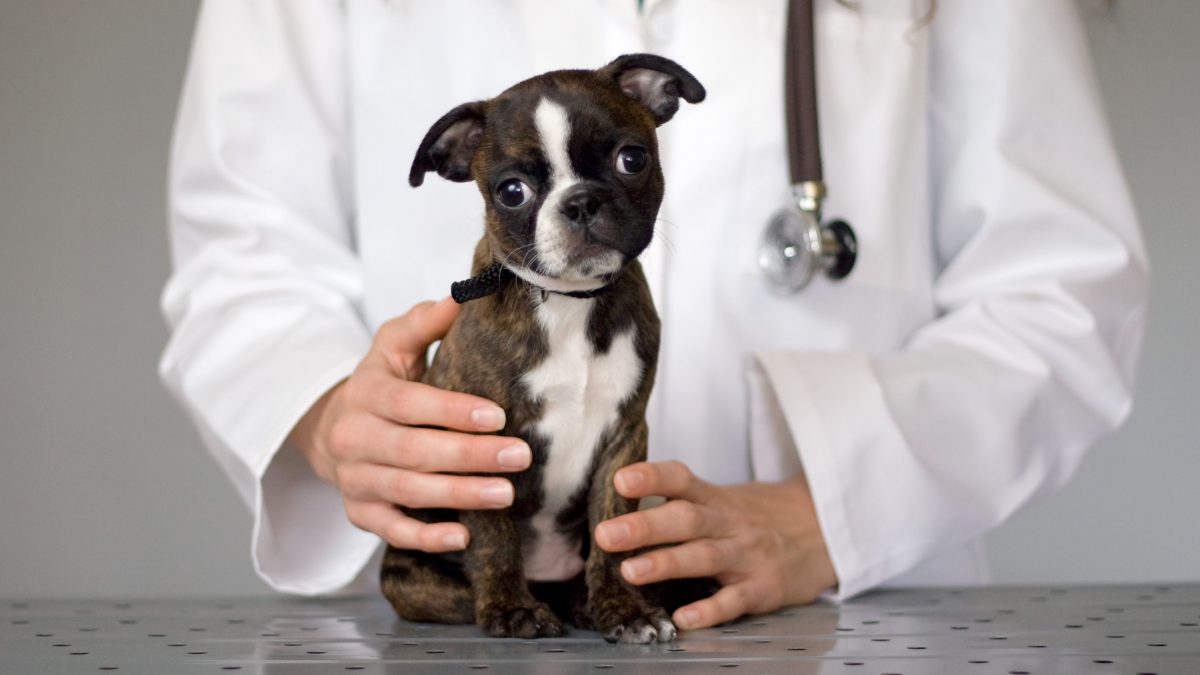
It is important to keep your pet’s immune system in good condition for a healthy lifestyle. There are seven lifestyle decisions you can maintain to support your pet’s immune system.
Exercising
Taking a walk, running, or playing fetch is an effective method to boost your pet’s resistance. Less activity causes weaker immunity.
Nutritious Diet
Giving your pet a healthy and nutritious diet is needed to induce a healthier immune system. Foods that do not give balanced nutrition lead to illnesses.
Healthy Weight
Less activity may also lead to …