

Finding parasites in your pet’s urine can be alarming, but understanding what you’re dealing with is the first step toward effective treatment. Five parasites are most commonly detected in pet urine samples: Capillaria plica (bladder worm), Dioctophyme renale (giant kidney worm), Strongyloides species, microfilariae from heartworm disease, and Schistosoma haematobium. While these infections vary widely in severity and geographic distribution, each produces distinct urinary symptoms that Canadian pet owners should recognize early.
Most of these parasites reach the urinary system after your pet ingests infected intermediate hosts like earthworms or contaminated water, though some migrate through the body from other infection sites. The good news is that many urinary parasites respond well to targeted antiparasitic medications when caught promptly. However, diagnosis requires professional urine analysis, and treatment protocols depend entirely on which parasite is present.
If you’ve noticed blood in your pet’s urine, frequent urination, straining, or visible discomfort, these could signal parasitic infection alongside other urinary conditions. Understanding Canadian parasite basics helps you recognize when veterinary attention is urgent. Our EyeVet team is available 24/7 to discuss concerning symptoms and guide you toward appropriate next steps, whether that’s scheduling an in-person examination or providing immediate consultation while you arrange diagnostic testing.
Why Parasites Appear in Pet Urine
Finding parasites in your pet’s urine might seem unusual at first. After all, we typically associate parasites with intestinal infections rather than the urinary tract. However, several parasites can either directly inhabit the urinary system or pass through it as part of their complex life cycles, making urine samples a surprisingly revealing diagnostic window.
Some parasites, like bladder worms, specifically target the urinary tract as their preferred habitat. They live in the bladder or kidneys, where they reproduce and shed eggs directly into the urine. Other parasites affect the urinary system indirectly, they primarily infect other organs or the bloodstream but produce larvae or eggs small enough to filter through the kidneys or cross into the urinary tract from adjacent tissues.
The connection between urinary and systemic parasitic infections matters because what appears in urine can signal broader health issues. For instance, finding certain larvae in urine might indicate an advanced infection affecting multiple organ systems, not just a localized bladder problem. This overlap explains why veterinarians value urinalysis as more than just a test for bladder infections or crystals.
A standard urinalysis involves microscopic examination of urine sediment, where technicians look for cells, crystals, bacteria, and yes, parasite eggs or larvae. These tiny organisms or their eggs have distinctive appearances under the microscope, allowing trained professionals to identify specific parasites. Because many pets show no obvious symptoms during early parasitic infections, routine urinalysis during wellness exams can catch problems before they progress to serious kidney damage or systemic illness.
Understanding this diagnostic pathway helps explain why your veterinarian might recommend urine testing even when your pet seems healthy, and why certain urinary symptoms warrant immediate investigation beyond simple bladder infections.
The 5 Parasites Commonly Detected in Pet Urine

1. Capillaria plica (Bladder Worm)
Capillaria plica, commonly called bladder worm, is a thread-like parasitic nematode that inhabits the bladder and urinary tract of dogs and occasionally cats. These thin worms measure only 1.3 to 6 centimeters long, making them difficult to spot even during examination.
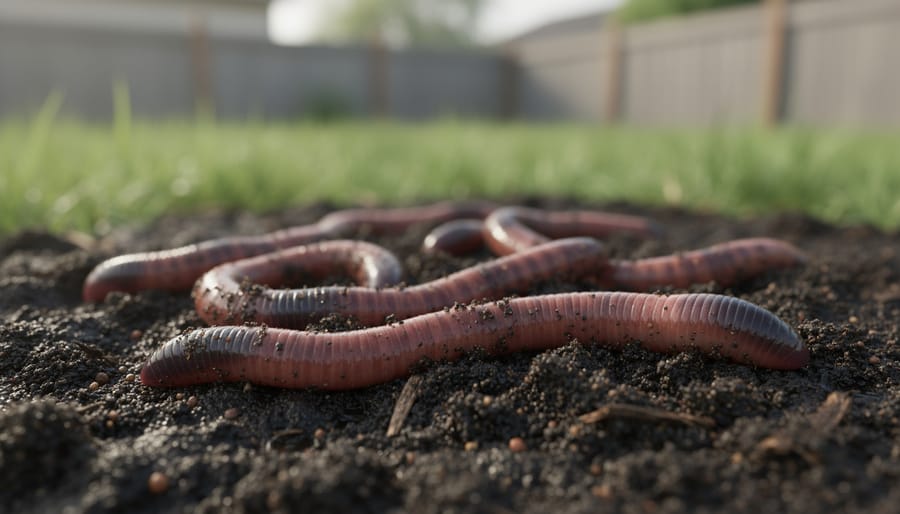
Pets contract this parasite by ingesting earthworms that serve as intermediate hosts. Dogs who dig in gardens, explore soil, or accidentally consume earthworms while playing outdoors face the highest exposure risk. After ingestion, larvae migrate through the bloodstream to the bladder wall, where they mature over approximately two months before releasing eggs into the urine.
Many infected pets show no symptoms at all, which is why the parasite often goes undetected until a routine urinalysis. When signs do appear, they typically include bloody urine (hematuria), increased urination frequency, straining during urination, and discomfort around the lower abdomen. These bladder worm clinical signs can easily be mistaken for a bacterial urinary tract infection, making proper diagnostic testing essential.
Capillaria plica occurs throughout Canada, particularly in regions with moist soil conditions that support earthworm populations. Dogs are significantly more susceptible than cats, though feline infections do occur in outdoor cats with hunting behaviors.
2. Dioctophyma renale (Giant Kidney Worm)

Dioctophyma renale earns its nickname “giant kidney worm” honestly, adult females can reach up to 100 centimeters in length, making it one of the largest parasitic nematodes affecting mammals. This dark red worm typically inhabits and destroys one kidney, usually the right, though it can migrate to other locations including the abdominal cavity.
Canadian pets contract this parasite through a complex lifecycle involving aquatic environments. Dogs (and rarely cats) become infected by eating raw or undercooked fish, particularly those from freshwater lakes and rivers where the parasite’s intermediate hosts, aquatic annelids and fish, complete the cycle. This makes pets in rural areas near waterways, especially in Ontario, Quebec, and Atlantic provinces, more vulnerable.
The damage is devastating. The adult worm essentially hollows out the affected kidney, leaving only a thin shell of tissue. Many infected pets show no symptoms until the infection is advanced, though some develop blood in their urine, flank pain, weight loss, or signs of kidney disease. Eggs appear in urine only if the worm hasn’t completely destroyed kidney function or if a female worm is present.
Prevention centers on avoiding raw freshwater fish and limiting access to areas where pets might hunt and consume infected prey. Diagnosis requires careful urinalysis combined with imaging to assess kidney damage.
3. Microfilaria (Heartworm Larvae)
Microfilaria are immature heartworm larvae that circulate in a pet’s bloodstream after adult heartworms reproduce. While these microscopic parasites aren’t typically found in urine under normal circumstances, they can appear during severe, advanced heartworm infections when the parasite burden becomes overwhelming.
When microfilaria show up in a urine sample, it’s unusual and concerning. This happens through a process called “spillover”, when the concentration of larvae in the blood becomes so high that they leak into other body systems, including the kidneys and urinary tract. It’s not their natural habitat, which means their presence signals a heavy infection that’s affecting multiple organ systems.
This finding differs significantly from the other urinary parasites we’ve discussed. Microfilaria in urine don’t indicate a primary urinary tract infection. Instead, they’re a red flag for advanced heartworm disease, a serious condition where adult worms inhabit the heart and lungs. The larvae you’d see in urine are offspring of these adults.
If your veterinarian detects microfilaria during urinalysis, immediate treatment is essential. Advanced heartworm disease can cause heart failure, lung damage, and kidney complications. The good news is that heartworm is highly preventable with monthly medications, and early detection through regular testing typically catches infections before they reach this severe stage.
4. Stephanurus dentatus (Kidney Worm in Pigs and Occasionally Dogs)
Stephanurus dentatus, commonly called the kidney worm, primarily affects pigs but can occasionally infect dogs, particularly those living on farms or in rural areas where they have contact with pig waste or contaminated soil. This large nematode (up to 45 mm in length) migrates through the body before settling in the kidneys, ureters, and surrounding fat.
In dogs, infection typically occurs when they ingest larvae while scavenging in pig yards or eating earthworms that serve as intermediate hosts. The parasites burrow through the intestinal wall, migrate through the liver, and eventually reach the kidneys where they cause significant tissue damage.
Clinical signs in infected dogs include blood in the urine, weight loss despite normal appetite, back pain near the kidneys, and occasionally visible abdominal swelling. As the parasites damage kidney tissue, affected pets may develop signs of kidney dysfunction like increased thirst and urination.
For Canadian pet owners, Stephanurus dentatus risk is essentially limited to dogs with access to pig farming operations, particularly in provinces with active swine production like Quebec, Ontario, Manitoba, and Alberta. Urban and suburban pets face virtually no risk. If your dog lives on or frequently visits a pig farm and shows urinary symptoms, mention this environmental exposure to your veterinarian, it significantly narrows the diagnostic possibilities.
5. Schistosoma Species (Blood Flukes)
Schistosoma species are parasitic flatworms that live in blood vessels and can cause urinary schistosomiasis when they affect the bladder and urinary tract. Unlike the other parasites discussed, these blood flukes have a complex life cycle involving freshwater snails as intermediate hosts. Pets become infected when they swim in or drink from contaminated water containing the larval stage of the parasite.
The good news for most Canadian pet owners is that Schistosoma infections remain extremely rare in Canada. These parasites thrive in tropical and subtropical regions, particularly parts of Africa, Asia, South America, and the Caribbean. However, the risk increases for pets that travel internationally with their owners or are adopted from endemic areas. Dogs that swim in natural water bodies during trips to warmer climates face potential exposure.
When present, adult worms release eggs that pass through the bladder wall into urine, where they can be detected during microscopic examination. Infected pets may show blood in their urine, frequent urination, or discomfort while urinating. Some cases cause minimal symptoms initially but can lead to chronic bladder inflammation and secondary infections over time.
If your pet has traveled outside Canada and develops urinary symptoms, mention the travel history to your veterinarian. This detail helps guide appropriate diagnostic testing and treatment decisions.
Recognizing Symptoms and When to Seek Help
Urinary parasites often announce themselves through noticeable changes in your pet’s bathroom habits. Blood-tinged urine, ranging from light pink to dark red, frequently signals irritation or damage to the urinary tract. You might notice your dog or cat straining to urinate, producing only small amounts despite obvious effort, or making more frequent trips outside or to the litter box than usual.
Beyond the litter box, watch for behavioral shifts. Pets with urinary parasites may lick their genital area excessively, vocalize during urination due to discomfort, or have accidents indoors despite being house-trained. Some animals become lethargic or lose their appetite as the infection progresses. Abdominal tenderness and foul-smelling urine are additional red flags that something’s wrong.
The severity and speed of symptom onset help determine your next steps. If your pet shows severe symptoms, bloody urine accompanied by lethargy, inability to urinate, fever, or obvious pain, seek emergency veterinary care immediately. These signs can indicate advanced parasitic infection or complications requiring urgent intervention.
For milder or newly noticed symptoms, virtual vet e-consults through EyeVet provide a practical starting point. Our veterinarians can assess your pet’s symptoms, help you understand what’s happening, and determine whether your situation needs same-day in-person care or can be monitored with guidance. This approach offers accessible pet health support when you first notice concerning changes, helping you make informed decisions without unnecessary emergency visits.
However, confirming parasitic infections requires physical examination and urinalysis at a veterinary clinic. Online consultations guide your response, but definitive diagnosis and treatment happen in person.
Diagnosis and Treatment Options
Diagnosing urinary parasites requires hands-on veterinary examination that goes beyond what online consultation can provide. Your vet will start with a complete urinalysis, examining a fresh urine sample under a microscope to identify parasite eggs, larvae, or adult worms. This microscopic examination is critical because many parasitic infections produce no visible changes to urine that you’d notice at home.
Depending on initial findings, your veterinarian may recommend additional diagnostics. Blood work helps assess kidney function and overall health impact, while imaging like ultrasound or X-rays can reveal structural damage or locate adult parasites in the urinary tract or kidneys. Some cases require specialized fecal testing since certain urinary parasites shed eggs through both urine and feces.
Treatment varies significantly based on which parasite is identified. Most urinary parasites respond to specific antiparasitic medications, though the drug choice and duration differ for each type. Your pet might need fenbendazole for bladder worms, while kidney worms may require more aggressive intervention including supportive care for kidney function. Severely infected animals often need IV fluids, pain management, and anti-inflammatory medications alongside antiparasitic treatment.
Follow-up testing is essential. Your vet will recheck urine samples weeks after treatment ends to confirm the parasites are eliminated. Skipping this step means you won’t know if treatment succeeded or if your pet needs additional therapy.
While EyeVet can help you understand test results and answer treatment questions, diagnosing parasitic infections requires in-person examination and laboratory analysis that only your local veterinarian can provide.
Prevention Strategies for Canadian Pet Owners
Preventing urinary parasites starts with consistent veterinary care. Schedule annual wellness exams where your vet performs urinalysis and fecal testing to catch infections early, before clinical signs appear. Ask about year-round parasite prevention medications tailored to your region, these protect against heartworm and many intestinal parasites that can migrate to the urinary system.
Control your pet’s environment by keeping them away from stagnant water, puddles, and areas frequented by wildlife. Never feed raw fish, particularly in regions near freshwater lakes where kidney worms are more common. If you live in rural areas with livestock, limit your dog’s access to pig enclosures and surrounding soil.
Maintain your yard by removing earthworms after heavy rain (a capillaria transmission source) and promptly disposing of pet waste to prevent environmental contamination. In areas with endemic parasites, such as parts of Ontario, Quebec, and the Atlantic provinces, discuss regional risk factors with your vet.
Following evidence-based parasite prevention tips significantly reduces your pet’s infection risk. While EyeVet provides educational guidance about prevention strategies any time, establishing a prevention plan requires partnering with your regular veterinarian who understands local parasite prevalence. If you notice urinary changes despite preventive measures, contact EyeVet’s team for initial guidance on whether your pet needs immediate in-person evaluation.
Understanding which parasites can appear in your pet’s urine empowers you to act quickly when something seems off, without losing sleep over unlikely scenarios. Most Canadian pets never encounter these parasites, and even when they do, early detection paired with proper veterinary care leads to excellent outcomes. The core strategies remain simple: maintain regular veterinary check-ups, use preventive medications as recommended, keep your pet away from raw fish and contaminated water sources, and stay alert to changes in urination habits or behavior.
Can I see parasites in my pet’s urine?
Most urinary parasites are microscopic or their eggs are too small to see without a microscope. Blood or cloudiness in urine indicates something’s wrong but doesn’t confirm parasites specifically.
How often should my pet’s urine be tested?
Annual wellness exams typically include urinalysis for adult pets. Seniors, pets with chronic conditions, or those with urinary symptoms may need more frequent testing as your vet recommends.
Are these parasites contagious to humans?
Most urinary parasites in pets pose minimal risk to humans. Schistosoma species can theoretically affect people, but transmission from pets is extremely rare.
Can indoor pets get urinary parasites?
Indoor pets face lower risk but aren’t completely immune, especially if they consume raw fish, have access to contaminated water, or contact infected wildlife through screened windows or brief outdoor access.
If you notice concerning symptoms or have questions about your pet’s urinary health, EyeVet’s veterinary team is available 24/7 to provide guidance and help you determine next steps. While we can offer education and initial direction through our online consultations, suspected parasitic infections require in-person examination, urinalysis, and sometimes additional testing for accurate diagnosis and treatment. Your awareness combined with professional veterinary care gives your pet the best protection against these uncommon but manageable threats.