

Bentonite cat litter is safe for most cats when you choose a low-dust, unscented version and handle it with a few simple precautions. The main concern is dust. Fine particles rise when you pour, when your cat digs, and when you scoop, and they can bother sensitive airways and irritate the eyes. Washed bentonite is generally the better pick for cats with allergies, because raw-grade clay throws far more of that fine dust.
Safe use also comes down to disposal. Sodium bentonite works like an expandable cement, swelling to 15 to 18 times its dry size, so it should never go down the toilet. Bag it and put it in the garbage instead.
This guide walks you through what you need, the safety checks worth making, and a clear step-by-step routine you can start today. It also covers how to confirm your setup is working for your cat. If you ever notice coughing, squinting, or watery eyes, EyeVet’s veterinary team is available 24/7 to help you decide on next steps, and an in-person exam is always the best way to get a firm answer.
Why Bentonite Litter Raises Questions: Clumping Clay, Dust, and Your Cat’s Airways and Eyes
Bentonite is a natural clay, and the sodium type used in most clumping litters has one standout trait: it soaks up moisture and swells. Think of it as an expandable cement. When your cat pees, the granules around it absorb the liquid and bind together into a firm clump you can scoop out. That swelling is dramatic, too. Sodium bentonite can expand to 15 to 18 times its dry size when wet, which is why it makes such tidy clumps, and why it shouldn’t go down the toilet.
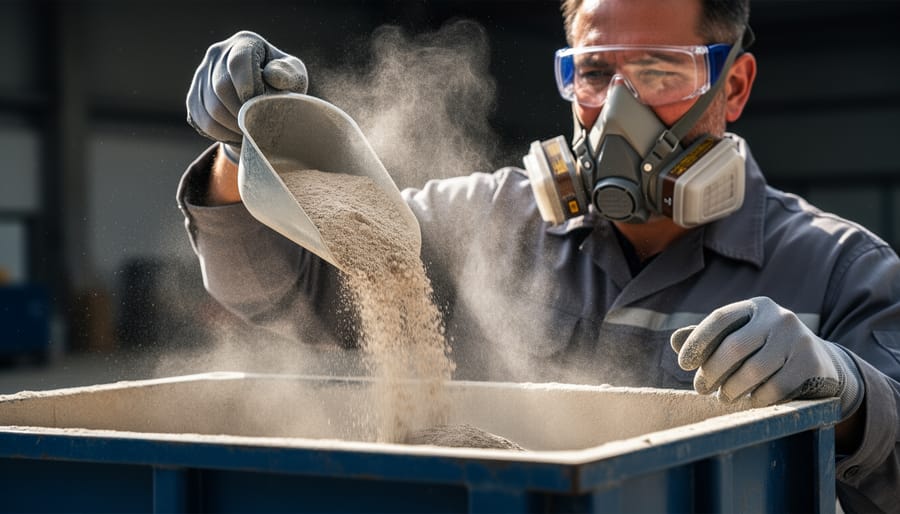
The questions people raise usually come down to dust. Litter dust is simply fine particles that rise into the air when you pour a fresh bag, when your cat digs and scratches, or when you scoop. Most cats and owners never notice it. For sensitive airways, though, those particles can be a nuisance, and litter dust may cause eye and respiratory irritation when inhaled. A cat who spends time with their nose close to the box, digging and sniffing, is closer to that dust than we are.
Not all bentonite litters behave the same way. Raw-grade clay throws fine dust that can irritate feline airways, while bentonite litter is described as safe for most allergic cats only when it is washed. In practical terms, how the clay is processed matters as much as the clay itself.
None of this means bentonite litter is a problem for every household. Cats differ in how sensitive they are, and so do the people who share a home with them. One cat may never react, while another with sensitive airways does better with a different choice. Across the board, the safest litter is usually unscented, low dust, and one your cat will actually use. That’s the standard worth keeping in mind as you evaluate what’s in your own litter box.
What You’ll Need Before You Evaluate or Switch Your Litter
Before you evaluate or switch litters, it helps to gather a few simple supplies. Having them ready makes the process calmer for you and for your cat, and it gives you clear details to share if questions come up later.
- The litter bag and its label, so you can check whether it’s unscented and low dust
- The product’s Safety Data Sheet, which you can request from the supplier
- A scoop for gentle, low-dust cleaning
- A lidded waste container or garbage bags, since clumping litter shouldn’t be flushed
- A litter mat to catch tracked litter and stray dust
- A quiet spot where you can watch your cat without hovering
- A notebook or phone notes to record behaviour and symptoms
That last item matters more than it might seem. Jot down how often your cat uses the box, any sneezing or coughing, and whether their eyes look watery or red. If you later book an online consultation with an EyeVet veterinarian, those notes help you describe exactly what you’ve seen, so the guidance you receive is more specific to your cat.
Safety Warnings: When Litter Dust or Clay Needs a Closer Look
Most cats do well on a well-chosen bentonite litter, but a few safety points deserve your attention. The first is plumbing: sodium bentonite acts like an expandable cement, and it swells to 15 to 18 times its dry size when wet. That is exactly why it clumps so well, and exactly why it can block your pipes. Scoop clumps into a bag and put them in the garbage instead.
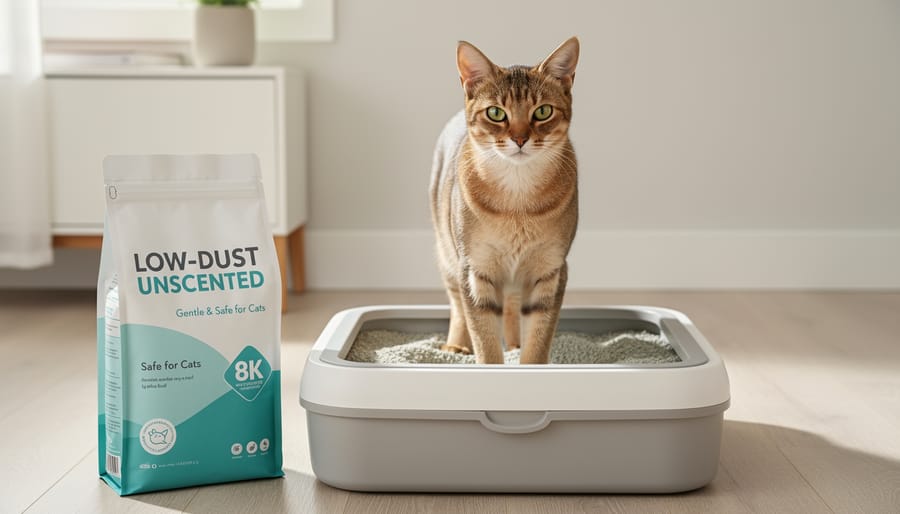
The second point is dust. Dust is the fine particles that rise when you pour, when your cat digs, or when you scoop, and it can bother sensitive airways. Dusty, scented, or raw-grade clay products deserve extra caution for cats with sensitive airways, since raw-grade clay throws fine dust that can irritate feline airways. If your cat seems sensitive, an unscented, low-dust option is usually the safer starting point.
Here are the signs worth noting:
– Frequent sneezing
– Coughing
– Watery or red eyes
– Squinting
– Avoiding the litter box
Seeing one of these occasionally isn’t cause for alarm, but jot down when it happens and whether it follows a litter change. If you’re unsure what you’re seeing, virtual vet care through EyeVet gives you 24/7 access to expert veterinarians who can help you decide on next steps.
Online guidance complements, and doesn’t replace, an in-person exam. If signs persist, worsen, or involve your cat’s eyes or breathing, please arrange a visit with a veterinarian who can examine your cat directly.
Step-by-Step: Choosing, Introducing, and Using Bentonite Litter Safely
Check That the Litter Is Unscented and Low Dust
Start with the label. Look for the words “unscented” and “low dust,” since the safest cat litter is usually unscented, low dust, and one your cat will actually use. Fragrance adds one more thing for sensitive noses to react to, so plain is better.
If the bag mentions washed clay, that’s a good sign. Raw-grade clay throws fine dust that can irritate feline airways, while washed bentonite is considered safe for most allergic cats.
Then do a quick pour test at home. Pour slowly, close to the box, and watch for a cloud rising. Dust is simply fine particles that lift when you pour, when your cat digs, or when you scoop. A visible puff, or a gritty film on the floor, means it’s dustier than you want.
If your cat starts sneezing or squinting, it helps to know when to see a vet.
Make Sure Your Cat Will Actually Use It
A low-dust, unscented litter only works if your cat is willing to step into the box. A litter that looks perfect on paper but gets avoided can lead to accidents around the house, so acceptance matters just as much as dust level.
If you’re changing brands, go gradually. Mix a small amount of the new litter into the old one, then increase the proportion over a week or two. Keep the box in the same quiet spot so the only thing changing is the litter itself.
Watch how your cat behaves. Hesitating at the edge, digging briefly and leaving, or going outside the box can all hint that the new litter isn’t a good fit. Jot down what you notice, as it helps when talking with a veterinarian. If you’re unsure what a change means, EyeVet’s 24/7 online consultation can help you work out next steps.
Reduce Dust and Dispose of Clumps the Right Way
Dust rises at three moments: when you pour, when your cat digs, and when you scoop. You can’t control the digging, but you can soften the other two.
Pour slowly and keep the bag close to the pan, so the litter slides in rather than drops. Scoop gently, with unhurried strokes, instead of shaking the scoop hard over the box. A litter mat beside the pan helps catch stray granules, so you’re not sweeping up fine particles later.
Once you’ve scooped, bag the clumps and put them in the garbage. Don’t flush them. Sodium bentonite acts like an expandable cement and swells to 15 to 18 times its dry size, which can cause plumbing problems. A lidded waste container keeps the smell down between trash days. If you notice sneezing or watery eyes in your cat, a lower-dust option may help.
Reading the Label and Safety Data Sheet: What Canadian Owners Can Check
When you want to confirm what is in your litter, start with the paperwork rather than the marketing on the bag. Bentonite appears in the Bentonite WHMIS listing under CAS number 1302-78-9, which is a handy identifier to match against the ingredient information a supplier provides.
It helps to know what that list is and isn’t. CNESST says it compiled the list in response to requests for information about classifications under federal hazardous products legislation. It also states clearly that the list does not replace the supplier’s classification on the Safety Data Sheet. You can see the CNESST update and scope for yourself, including the most recent update date of 2025-12-15.
In practical terms, that means the Safety Data Sheet from your litter’s supplier is the document to rely on. If you can’t find it on the bag or the brand’s website, ask the supplier for it. Keep a copy, or a photo of it, alongside your litter notes.
If something in the SDS is unclear, or you’re wondering how it relates to your cat’s sneezing or eye irritation, bring it to an EyeVet veterinarian during a 24/7 online consultation. They can help you make sense of it and decide whether an in-person visit makes sense.
How to Tell Whether Your Cat Is Doing Well With the Litter and What to Do Next
A litter change is easiest to judge by watching your cat, not just the box. Spend the first couple of weeks keeping a simple routine: glance at your cat’s breathing, eyes and litter box habits once or twice a day, and jot down anything new in a notebook or your phone notes.
Here’s what to look for:
- Good fit: your cat steps into the box readily and uses it comfortably.
- Good fit: breathing looks easy and normal, and the eyes stay clear.
- Good fit: no new sneezing or coughing after you pour or scoop.
- Worth discussing with a vet: frequent sneezing, coughing, or watery or red eyes.
- Worth discussing with a vet: squinting, or avoiding the litter box altogether.
If you suspect irritation, start with the simplest fix. Switch to a lower-dust or unscented option, and make the change gradually so your cat stays willing to use the box. Pouring low and scooping gently also keeps fine particles out of the air. Because litter dust may cause eye and respiratory irritation when inhaled, it’s reasonable to rule it out first.
If signs continue after a change, that’s your cue to reach out. EyeVet’s 24/7 online consultations connect you with veterinarians who can look at what you’ve noticed, help you interpret the symptoms and talk through whether an in-person visit makes sense. It’s a convenient form of expert pet health support when you’re unsure what you’re seeing.
Online guidance complements, rather than replaces, a hands-on exam. If your cat’s signs are serious, worsening or simply won’t go away, an in-person visit is the right next step.
Bentonite Cat Litter FAQs
Is bentonite cat litter safe for cats?
For most cats, yes, when you choose a low-dust, unscented product your cat will actually use. The safest litter is usually unscented, low dust, and one your cat is comfortable with.
Can litter dust irritate a cat’s eyes or lungs?
It can. Dust is made of fine particles that rise when you pour, your cat digs, or you scoop, and it may cause eye and respiratory irritation when inhaled, especially in sensitive cats.
Can I flush clumping litter?
No. Sodium bentonite acts like an expandable cement and swells to 15 to 18 times its dry size, so clumps belong in the garbage.
Is unscented litter better?
Often, yes. Unscented, low-dust litter is generally the gentlest choice for sensitive airways and noses.
Is washed bentonite better for allergic cats?
Bentonite is described as safe for most allergic cats only when it is washed, because raw-grade clay throws fine dust that can irritate feline airways.
Where do I find the Safety Data Sheet?
Ask the supplier or check the manufacturer’s information for the product. The supplier’s Safety Data Sheet is the authoritative classification document.
When should I talk to a vet about litter-related symptoms?
If you notice frequent sneezing, coughing, watery or red eyes, squinting, or your cat avoiding the box, reach out. An EyeVet veterinarian is available 24/7 online to help you decide next steps, and persistent or worsening signs call for an in-person visit.
While you’re thinking about your cat’s everyday comfort, regular brushing is another simple habit that can help you reduce shedding around the home, and it gives you a chance to notice small changes in your cat’s eyes and coat early.
Choosing a bentonite cat litter doesn’t have to be stressful. Pick a low-dust, unscented option your cat will actually use, keep clumping litter out of the toilet, and check the supplier’s Safety Data Sheet if you want the full details on what’s in the bag.
Keep an eye on your cat’s breathing, eyes, and litter box habits, and adjust if something seems off. For more guidance, keep exploring the EyeVet Cat Care Guide. Our expert veterinarians are available 24/7 for online consultations, and in-person visits remain essential for serious or persistent concerns.